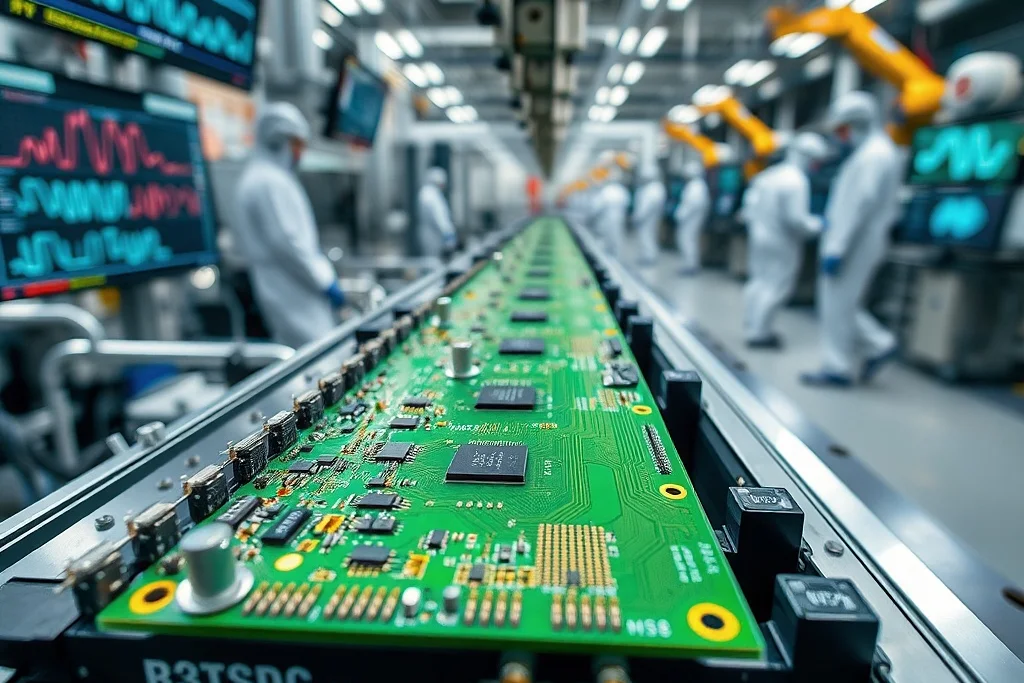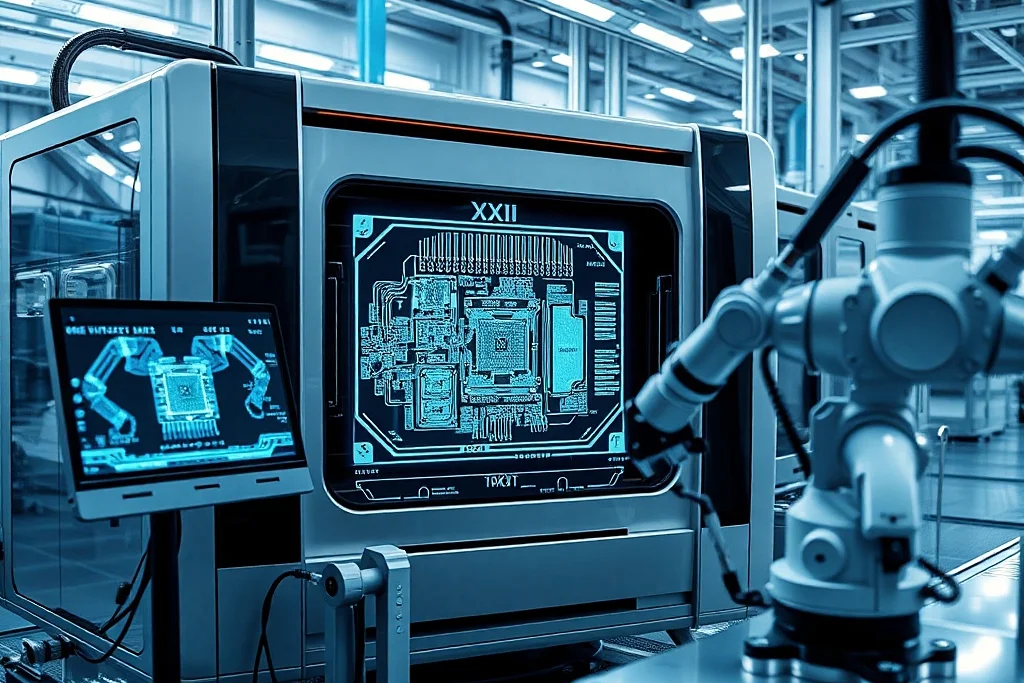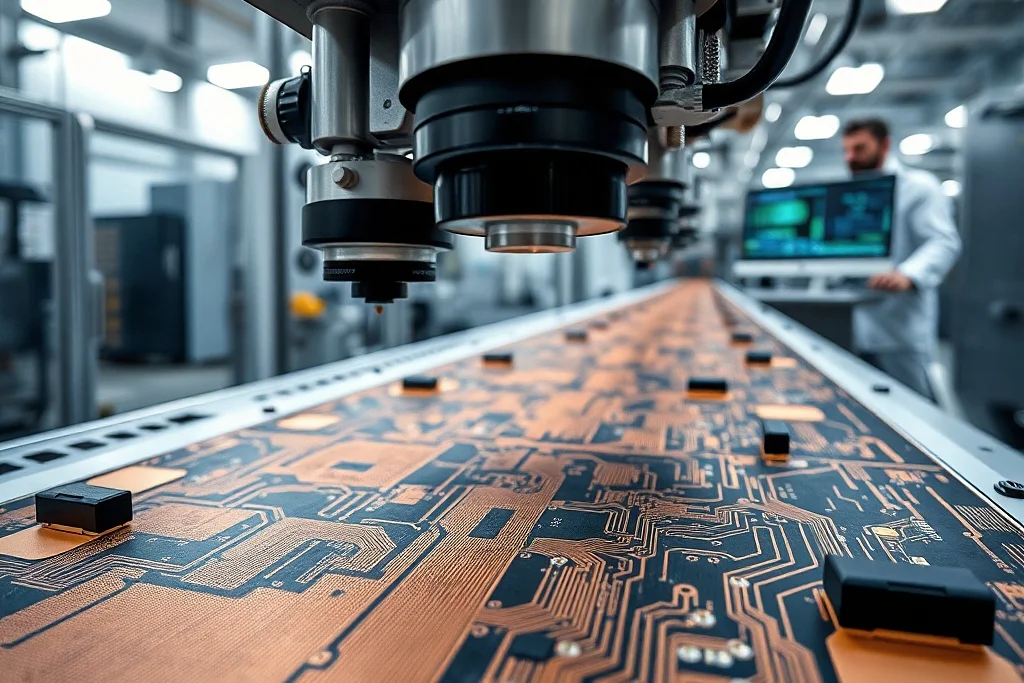


In modern electronics manufacturing, product quality and reliability are key factors for success. Electronic devices are now used in almost every industry, from automotive and medical equipment to industrial automation, telecommunications, and consumer electronics. As electronic systems become increasingly complex, the need for advanced testing methods that ensure every manufactured assembly meets strict quality requirements continues to grow.
One of the most important technologies for inspecting electronic assemblies is In-Circuit Testing (ICT). ICT enables detailed electrical testing of individual components and electrical connections on printed circuit boards (PCB), allowing manufacturers to detect defects before the product reaches the final production stage or the end customer.
By combining automation, precise measurement systems, and specialized software, ICT represents one of the most important quality control stages in modern electronics manufacturing.
What is In-Circuit Testing (ICT)?
In-Circuit Testing (ICT) is an automated electrical testing method used to verify the functionality and correctness of electronic components and their interconnections on PCB assemblies. Unlike visual inspection methods such as Automated Optical Inspection (AOI), ICT does not only analyze the appearance of an assembly but directly checks the electrical characteristics of components and connections.
During ICT testing, the printed circuit board is placed into a specially designed test fixture that enables contact with predefined test points on the board. The system then performs a series of electrical measurements to determine whether the assembly meets the designed specifications.
The main advantage of ICT technology is its ability to quickly and accurately detect manufacturing defects that may not always be visible during standard visual inspection.
How Does ICT Testing Work?
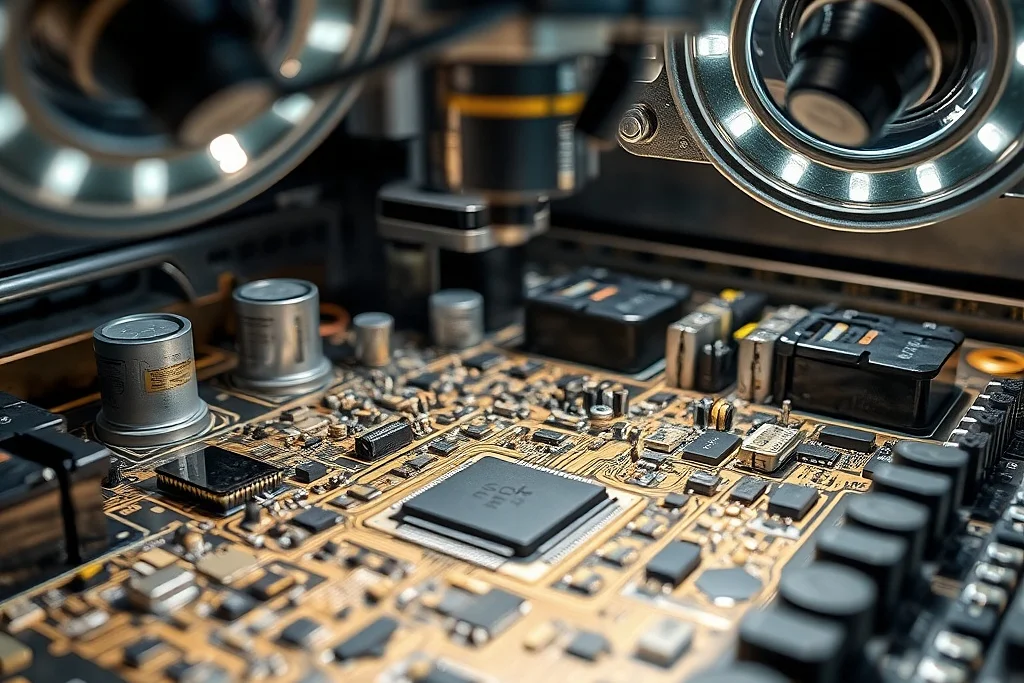
The ICT system uses special test probes that establish contact with predefined measurement points on the PCB board. After the assembly is placed into the testing equipment, the software automatically starts the defined test program.
During the test, the system measures various electrical parameters and compares the obtained results with expected values. If a deviation is detected, the system identifies the problematic area and provides information about the possible source of the fault.
The ICT testing process can include checking a large number of components and electrical connections in a very short time, making it an ideal solution for the mass production of electronic products.
What Defects Can ICT Testing Detect?
One of the greatest advantages of ICT technology is its ability to identify different types of manufacturing defects that can affect the operation of an electronic product. The most common issues detected by ICT include:
- short circuits between electrical traces
- broken electrical connections
- incorrectly placed components
- missing components
- incorrect values of resistors, capacitors, and other elements
- incorrect component polarity
- soldering defects
- problems with integrated circuit connections
- faulty or damaged components
Early detection of these problems allows manufacturers to correct defects before completing product assembly, reducing repair costs and improving the overall efficiency of the production process.
Why is ICT Important in Electronics Manufacturing?
Electronic assemblies are becoming smaller and more complex, while the number of components placed on a single PCB continues to increase. In modern devices, even a small defect can lead to complete product failure or expensive customer complaints after delivery.
ICT allows manufacturers to achieve a high level of reliability because every assembly can be automatically tested according to predefined criteria. This significantly reduces the risk of defective products leaving the production line.
In addition to improving quality, ICT also contributes to better production process control. By analyzing test results, manufacturers can identify recurring issues, optimize production, and improve the long-term reliability of their products.
Advantages of In-Circuit Testing Technology
Fast and Accurate Testing
One of the main advantages of ICT systems is the speed at which tests can be performed. Unlike manual measurements, automated systems can verify a large number of electrical parameters in a very short period of time.
The high level of automation ensures consistent results and reduces the possibility of human errors during quality control.
Detecting Problems Before Production is Completed
ICT enables manufacturers to identify problems at an early stage of the production process. When a defect is detected immediately after PCB assembly, solving the issue is easier and more cost-effective.
This allows manufacturers to reduce waste, minimize repair time, and lower overall production costs.
High Repeatability of Results
Automated ICT systems use predefined testing procedures that are applied in the same way to every manufactured module. This ensures objective results and reliable inspection of large production series.
Improved Production Traceability
Modern ICT systems can store the results of every individual test, including information about assembly status, detected defects, and testing time.
These records enable detailed production analysis and help manufacturers continuously improve their manufacturing processes.
The Difference Between ICT, AOI, and Functional Testing
In modern electronics manufacturing, different testing methods are often used together. ICT, AOI, and functional testing each have different roles in the quality control process.
AOI systems use cameras and image analysis to detect visual defects such as incorrectly positioned components, soldering issues, or missing elements.
ICT focuses on the electrical characteristics of the assembly and verifies whether components and electrical connections are correct.
Functional testing checks whether the complete electronic product operates correctly under real operating conditions.
By combining all these methods, manufacturers can achieve the highest level of quality control throughout the entire production process.
Applications of ICT Testing in Different Industries
ICT technology is used in many industries where the reliability of electronic products is essential.
In the automotive industry, ICT helps ensure the quality of electronic modules responsible for safety systems, powertrain units, and advanced vehicle functions.
In the medical industry, accurate testing of electronic assemblies is extremely important because equipment failures can have serious consequences.
Industrial automation, telecommunications, and energy systems also require reliable electronic components that must operate consistently in demanding environments.
ICT and the Future of Smart Manufacturing
With the development of Industry 4.0, ICT systems are becoming increasingly advanced and better connected with other manufacturing systems. Integration with MES platforms and analytical tools enables real-time quality monitoring and faster decision-making.
Modern ICT systems can automatically collect data, analyze trends, and help manufacturers predict potential problems before they affect production.
The combination of automation, artificial intelligence, and advanced analytics will further increase the importance of ICT technology in the future of electronics manufacturing.
How to Choose the Right ICT Solution?
Choosing the right ICT system depends on several factors, including PCB assembly complexity, production volume, quality requirements, and the possibility of integration with existing manufacturing equipment.
A properly designed ICT solution can significantly reduce the number of production defects, increase efficiency, and ensure higher reliability of the final product.
Conclusion
In-Circuit Testing represents one of the most important technologies for ensuring quality in modern electronics manufacturing. Through precise electrical measurements and automated testing, ICT enables manufacturers to detect defects early, reduce production costs, and increase the reliability of electronic products.
As electronic systems continue to become more complex, the need for advanced testing methods becomes increasingly important. ICT, together with AOI and functional testing, provides a comprehensive approach to quality control and helps manufacturers ensure that every electronic module meets the highest reliability standards.