

Modern electronics manufacturing requires a high level of precision, reliability, and quality control. As electronic devices become smaller, more complex, and more powerful, manufacturers face increasing challenges in ensuring that every component is correctly placed and every circuit board meets strict quality standards. Traditional manual inspection methods are no longer sufficient for many production environments, which is why Automated Optical Inspection (AOI) has become an essential technology in modern electronics manufacturing.
Automated Optical Inspection systems use advanced cameras, image processing software, and artificial intelligence-based technologies to inspect printed circuit boards (PCB) quickly and accurately. By automatically detecting manufacturing defects during the production process, AOI helps companies improve product reliability, reduce production costs, and maintain consistent quality.
What is Automated Optical Inspection (AOI)?
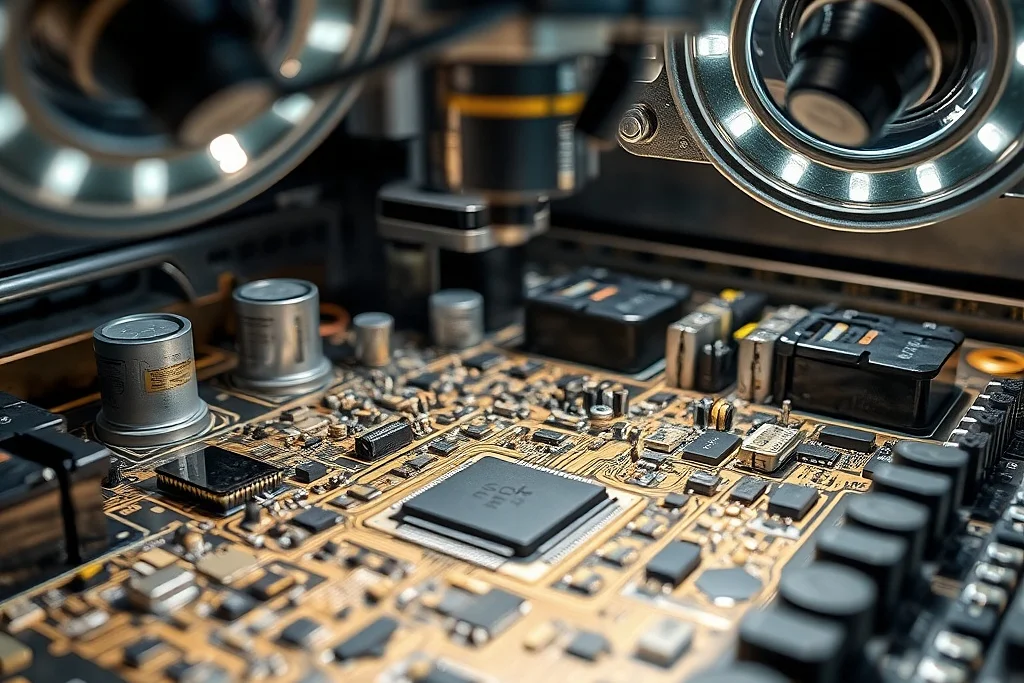
Automated Optical Inspection (AOI) is a non-contact inspection technology used to visually examine printed circuit boards and electronic assemblies. The system uses high-resolution cameras and specialized software to capture images of a PCB and compare them with predefined reference data or a correctly assembled board.
The main purpose of AOI is to identify visible manufacturing defects that may affect the functionality and reliability of an electronic product. Unlike manual inspection, where operators visually examine boards individually, AOI performs automated and highly repeatable inspections at high speed.
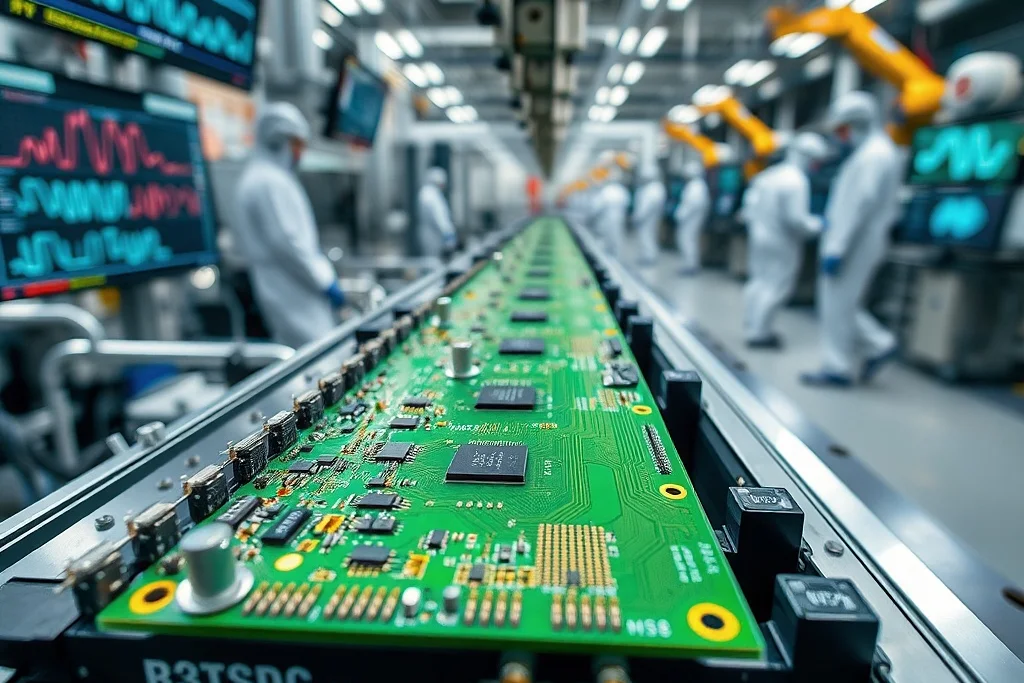
AOI systems are commonly used after the surface-mount technology (SMT) assembly process, where thousands of small components may be placed on a single PCB. At this stage, even a minor placement error can lead to product failure, making accurate inspection a critical part of the manufacturing process.
How Does AOI Technology Work?
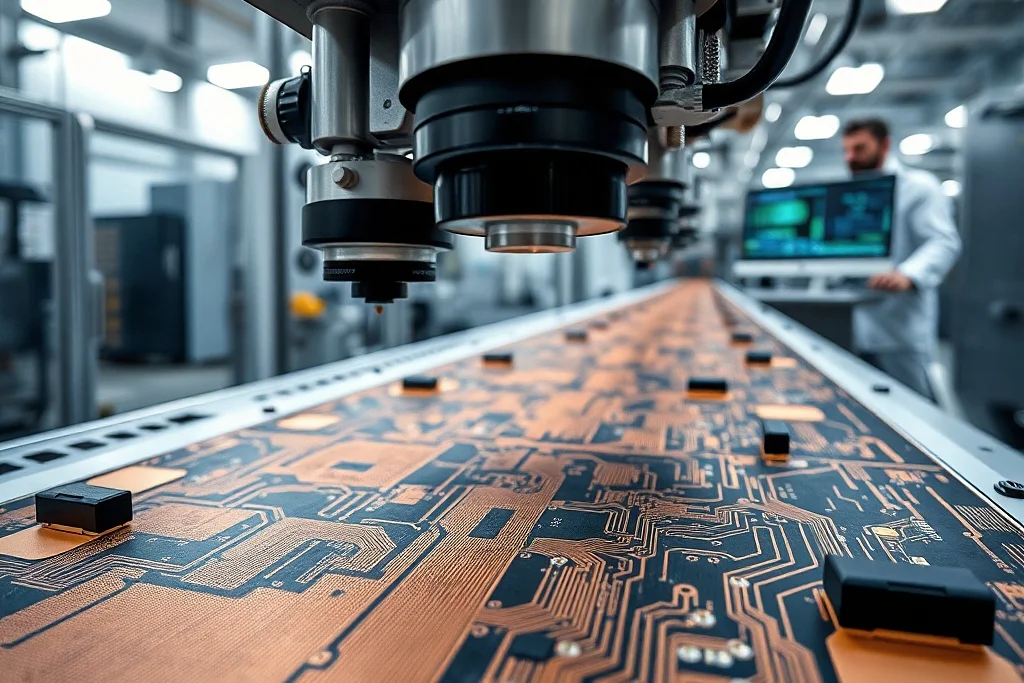
An AOI system operates by capturing detailed images of a PCB using advanced optical cameras. Depending on the system configuration, different types of lighting and camera angles are used to create a complete visual representation of the assembled board.
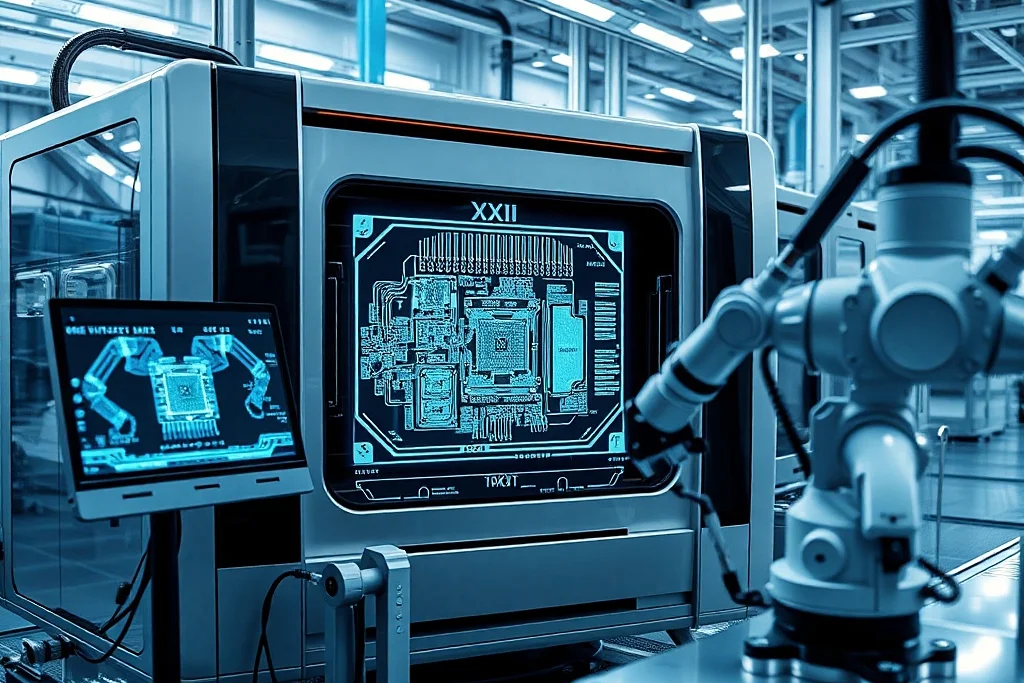
The captured images are then analyzed by specialized software that compares them with expected parameters. If the system detects differences between the inspected board and the reference model, it identifies the potential defect and provides information about its location and type.
Modern AOI systems can analyze thousands of components within seconds, making them highly effective for large-scale electronics production. Advanced systems may also use machine learning algorithms to improve defect recognition and reduce false alarms.
Typical AOI inspection processes include checking:
- Component presence and correct placement
- Component orientation and polarity
- Incorrect or missing components
- Soldering quality
- Solder bridges and insufficient solder
- Incorrect component alignment
- PCB surface defects
- Damaged or incorrectly mounted components
Why Is AOI Important in Electronics Manufacturing?
The complexity of modern electronic assemblies makes quality control more challenging than ever before. PCBs used in automotive systems, medical devices, industrial equipment, telecommunications, and consumer electronics often contain thousands of components placed within very limited space.
A single incorrect component or soldering defect can cause product malfunction, customer complaints, warranty costs, or even safety risks in critical applications. AOI helps manufacturers detect these problems before the product reaches the next production stage or the final customer.
By identifying defects early, manufacturers can reduce rework, minimize production waste, and improve overall manufacturing efficiency. AOI provides a reliable inspection method that supports both high-volume production and strict quality requirements.
The Main Advantages of Automated Optical Inspection
High Inspection Accuracy
One of the biggest advantages of AOI is its ability to perform highly accurate inspections with consistent results. Unlike manual inspection, which depends on operator experience and concentration, AOI systems apply the same inspection criteria to every PCB.
This consistency is especially important in industries where product reliability is critical and where even small manufacturing defects can have significant consequences.
Faster Production Inspection
Manual inspection of complex PCB assemblies can be time-consuming and difficult, especially when dealing with small components and high-density circuit designs. AOI systems can inspect boards in a fraction of the time required for manual inspection.
The increased inspection speed allows manufacturers to maintain high production volumes without compromising quality control.
Early Detection of Manufacturing Defects
Detecting defects as early as possible is one of the key principles of efficient electronics manufacturing. AOI systems are typically integrated directly into production lines, allowing manufacturers to identify problems immediately after assembly.
Early defect detection reduces the cost of repairs because problems can be corrected before additional production steps are completed.
Improved Production Data and Traceability
Modern AOI systems collect detailed inspection data that can be analyzed to improve manufacturing processes. Information about defect types, production trends, and quality performance helps manufacturers identify recurring problems and optimize their processes.
This level of traceability is particularly valuable in industries with strict quality requirements, where manufacturers must document and verify production quality.
Common Defects Detected by AOI Systems
AOI technology is capable of detecting a wide range of visual and assembly-related defects, including:
- Missing components
- Incorrect component placement
- Wrong component orientation
- Incorrect polarity
- Soldering defects
- Insufficient solder joints
- Excessive solder application
- Solder bridges
- Component damage
- PCB surface defects
By identifying these issues during production, AOI helps manufacturers prevent defective products from reaching customers and improves overall product reliability.
AOI Compared to Manual Inspection
Manual visual inspection has traditionally been used in electronics manufacturing, but it has significant limitations. Human inspectors may experience fatigue, and detecting very small defects on complex PCBs can be extremely difficult.
AOI eliminates many of these limitations by providing automated, repeatable, and objective inspection results. The system can operate continuously and analyze large quantities of boards while maintaining consistent accuracy.
However, manual inspection still has value in certain situations, especially for prototype development, troubleshooting, and complex issues that require human evaluation. Many manufacturers combine AOI with human expertise to achieve the best possible quality control results.
The Role of AOI in Industry 4.0
As manufacturing moves toward Industry 4.0 and smart factory concepts, AOI systems are becoming increasingly connected and intelligent. Modern inspection equipment can communicate with manufacturing execution systems (MES), production databases, and other automated equipment.
This integration enables real-time monitoring, automatic quality reporting, and better control of production processes. Manufacturers can use collected inspection data to improve efficiency, reduce waste, and continuously optimize their operations.
Artificial intelligence and machine learning technologies are also improving AOI capabilities by allowing systems to recognize complex defect patterns and make more accurate inspection decisions.
Combining AOI with ICT and Functional Testing
AOI is an important part of the electronics testing process, but it is usually combined with other inspection and testing methods to achieve maximum reliability. While AOI focuses on visual inspection, In-Circuit Testing (ICT) verifies electrical connections and component values.
Functional testing goes one step further by checking whether the complete electronic product operates correctly under real working conditions. By combining AOI, ICT, and functional testing, manufacturers can create a comprehensive quality control strategy.
Each testing method provides different information, and together they help ensure that electronic products meet the highest standards of performance and reliability.
Choosing the Right AOI Solution
Selecting the right AOI system depends on several factors, including PCB complexity, production volume, required inspection accuracy, and integration with existing manufacturing equipment.
A properly selected AOI solution can significantly improve production efficiency, reduce manufacturing errors, and provide better control over product quality. Manufacturers should consider not only current production requirements but also future scalability when choosing an inspection system.
Conclusion
Automated Optical Inspection has become an essential technology in modern electronics manufacturing. By providing fast, accurate, and repeatable visual inspection, AOI systems help manufacturers detect defects early, improve production efficiency, and deliver more reliable electronic products.
As electronic devices continue to become more advanced and manufacturing requirements become increasingly demanding, investing in advanced inspection technologies is crucial for companies that want to remain competitive. AOI provides manufacturers with the confidence that every PCB assembly meets quality standards before reaching the next production stage or the end customer.