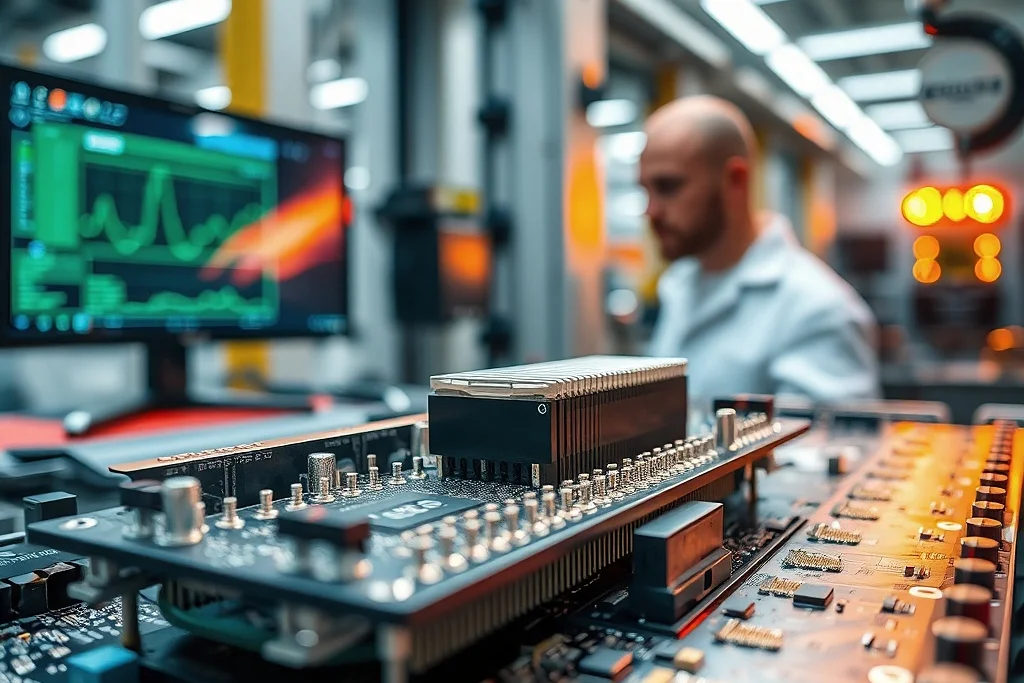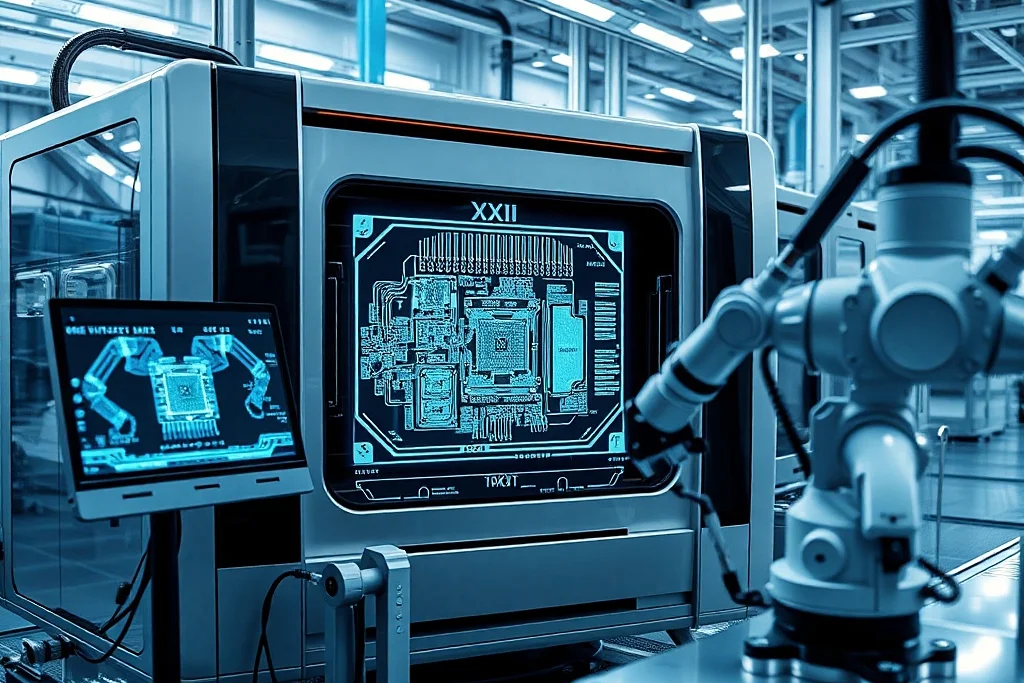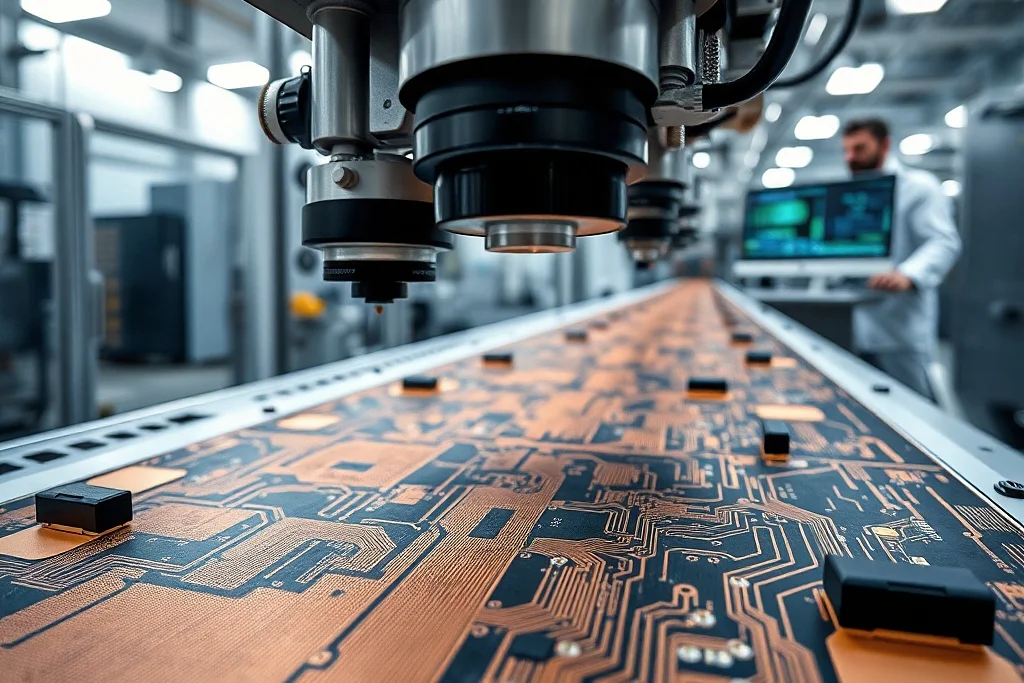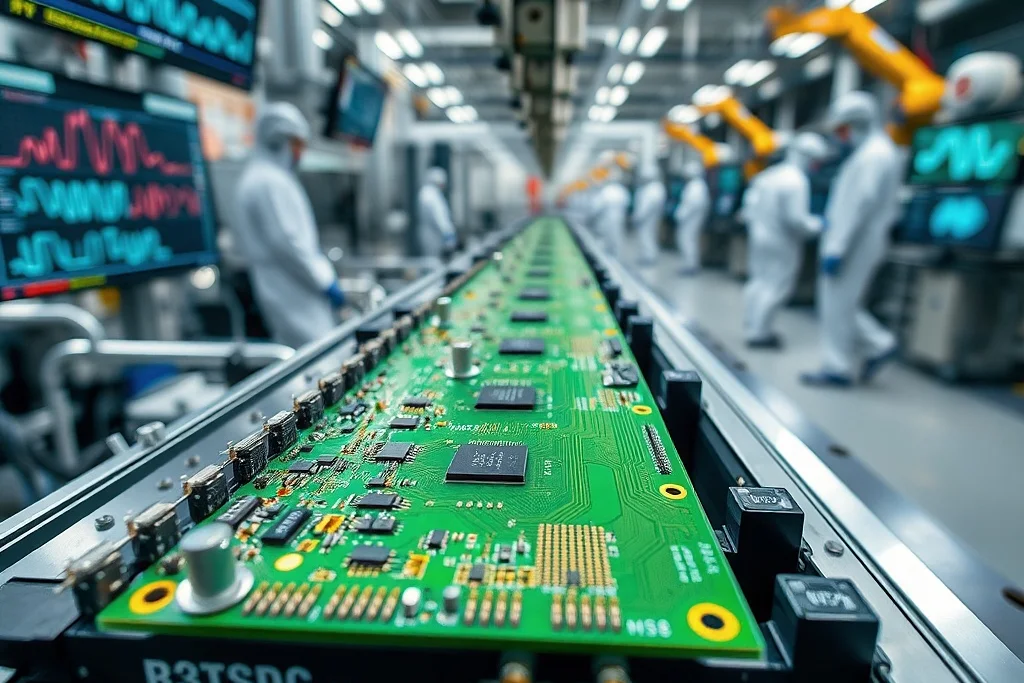


In modern electronics manufacturing, ensuring product reliability and consistent quality is one of the most important priorities for manufacturers. As electronic assemblies become more complex, with smaller components, higher component density and increasingly advanced designs, traditional inspection methods alone are no longer sufficient. Manufacturers need advanced testing technologies that can verify whether every component and connection on a PCB assembly functions correctly.
In-Circuit Testing (ICT) has become one of the most important testing methods used in electronics production. By performing detailed electrical measurements directly on a printed circuit board (PCB), ICT systems help manufacturers identify defects early in the production process, reduce failures and ensure that electronic products meet strict quality requirements.
What is In-Circuit Testing (ICT)?
In-Circuit Testing (ICT) is an automated testing method used to verify the electrical performance of individual components and connections on a PCB assembly. During the ICT process, a specialized test system uses probes to access specific test points on the circuit board and perform a series of electrical measurements.
The main purpose of ICT is to confirm that components are correctly installed, properly connected and operating according to predefined specifications. The system can detect a wide range of manufacturing defects, including incorrect component values, missing components, short circuits, open circuits and soldering problems.
Unlike visual inspection methods, which focus on the physical appearance of a PCB, ICT analyzes the electrical characteristics of the assembled board. This allows manufacturers to identify problems that may not be visible even with advanced optical inspection systems.
Why is ICT important in electronics manufacturing?
Electronic products are becoming increasingly complex, and even a small manufacturing error can affect the performance and reliability of the final product. A single incorrectly placed resistor, damaged connection or faulty solder joint can lead to product failures after delivery.
ICT helps prevent these issues by detecting manufacturing defects before products leave the production line. By identifying problems at an early stage, manufacturers can make corrections immediately, reducing repair costs, minimizing production waste and improving overall product quality.
For industries such as automotive electronics, medical devices, industrial automation, telecommunications and consumer electronics, where reliability is critical, ICT provides an essential layer of quality control.
How does In-Circuit Testing work?
The ICT process begins after PCB assembly has been completed. The assembled circuit board is placed into a specialized test fixture that contains multiple probes positioned according to the PCB design. These probes establish electrical contact with predefined test points on the board.
The ICT system then performs a series of automated measurements and compares the results with expected values stored in the testing program. If a measurement falls outside the accepted range, the system identifies the potential problem and provides information that helps operators locate and correct the defect.
Depending on the complexity of the PCB assembly, ICT can perform numerous tests, including:
- Resistance measurements
- Capacitance and inductance testing
- Voltage measurements
- Continuity testing
- Detection of short circuits and open circuits
- Verification of component values
- Checking correct component placement
- Testing of solder connections
By automating these measurements, ICT provides fast and repeatable testing results, making it suitable for high-volume electronics manufacturing environments.
Key benefits of In-Circuit Testing
Early detection of manufacturing defects
One of the biggest advantages of ICT is the ability to identify defects immediately after PCB assembly. Detecting problems before the product reaches later production stages prevents additional costs and reduces the risk of defective products reaching customers.
Early defect detection also helps manufacturers analyze production processes and identify recurring issues, allowing continuous improvement of manufacturing quality.
High testing accuracy and repeatability
Manual testing methods can be affected by human error and differences between operators. ICT systems provide consistent and repeatable testing results because every PCB is evaluated according to the same predefined criteria.
This high level of accuracy is especially important in industries where electronic failures can have serious consequences and where strict quality standards must be maintained.
Reduced production costs
Although implementing an ICT system requires an initial investment, it can significantly reduce production costs over time. By identifying faulty assemblies before final testing or shipment, manufacturers can avoid expensive recalls, warranty claims and unnecessary repairs.
ICT also improves production efficiency by reducing manual inspection time and allowing operators to focus on process improvements rather than repetitive testing tasks.
Improved production traceability
Modern ICT systems can collect and store detailed test data for every PCB assembly. This information provides manufacturers with valuable insight into production quality, defect rates and process performance.
Traceability is especially important for industries with strict regulatory requirements, where manufacturers must be able to demonstrate that products have passed all necessary quality checks.
Common defects detected by ICT systems
ICT technology can identify many different types of manufacturing problems that may affect PCB performance, including:
- Incorrect component values
- Missing components
- Incorrectly installed components
- Short circuits between connections
- Open electrical connections
- Incorrect polarity of components
- Defective solder joints
- Damaged components
By detecting these issues during production, ICT helps manufacturers maintain reliable products and reduces the possibility of failures during customer use.
ICT compared to Functional Testing
Although ICT and Functional Testing are both important testing methods in electronics manufacturing, they serve different purposes. ICT focuses on verifying the electrical integrity of individual components and connections on the PCB, while Functional Testing evaluates whether the complete electronic device performs its intended function.
ICT is typically performed earlier in the production process because it can quickly identify assembly-related problems. Functional Testing is usually performed later and confirms that the finished product operates correctly under real operating conditions.
Many manufacturers use both methods together to achieve the highest possible level of product reliability. ICT ensures that the PCB assembly is built correctly, while Functional Testing confirms complete system performance.
The role of ICT in modern smart manufacturing
As electronics manufacturing continues to move toward Industry 4.0 and smart factory concepts, ICT systems are becoming increasingly connected and data-driven. Modern testing solutions can communicate with manufacturing execution systems (MES), enabling real-time monitoring, production analysis and improved process control.
The integration of ICT into automated production lines helps manufacturers create more efficient, flexible and reliable manufacturing environments. By combining testing data with production analytics, companies can continuously optimize their processes and improve overall quality.
Choosing the right ICT solution for your production needs
Selecting the right ICT system depends on several factors, including PCB complexity, production volume, testing requirements and integration possibilities with existing manufacturing equipment.
A properly selected ICT solution can significantly improve production reliability, reduce operational costs and provide manufacturers with better control over their quality processes.
Working with an experienced technology partner helps companies choose the most suitable testing solution for their specific requirements. Professional support, system integration and technical expertise ensure that manufacturers achieve maximum value from their investment.
Conclusion
In-Circuit Testing has become an essential technology in modern electronics manufacturing. By providing fast, accurate and repeatable electrical testing, ICT systems help manufacturers detect defects early, improve production efficiency and deliver more reliable electronic products.
As electronic devices continue to evolve and quality requirements become increasingly demanding, investing in advanced testing technologies is essential for companies that want to remain competitive. ICT provides manufacturers with the confidence that every PCB assembly meets required standards before reaching the next stage of production or the end customer.