

In modern electronics manufacturing, maintaining consistent product quality is one of the biggest challenges faced by manufacturers. As electronic devices become smaller, more complex, and more demanding, traditional inspection methods are no longer sufficient to guarantee reliable results. This is where Automated Optical Inspection (AOI) technology plays a critical role.
AOI systems have become an essential part of advanced PCB assembly processes, helping manufacturers detect defects quickly, improve production efficiency, and maintain high-quality standards. By combining high-resolution cameras, advanced software algorithms, and automated analysis, AOI systems provide a reliable solution for inspecting printed circuit boards throughout the manufacturing process.
What Is Automated Optical Inspection (AOI)?
Automated Optical Inspection, commonly known as AOI, is an advanced inspection technology used in electronics manufacturing to automatically examine printed circuit boards (PCBs) for potential defects. Unlike manual inspection methods, AOI systems use cameras and specialized software to analyze every detail of a PCB assembly with high speed and accuracy.
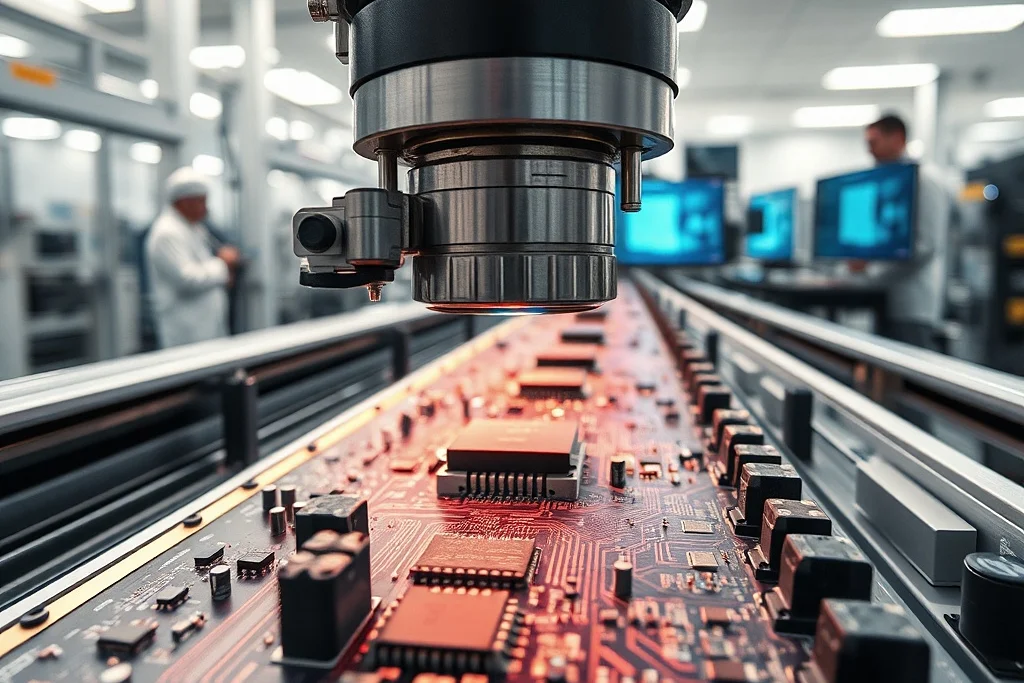
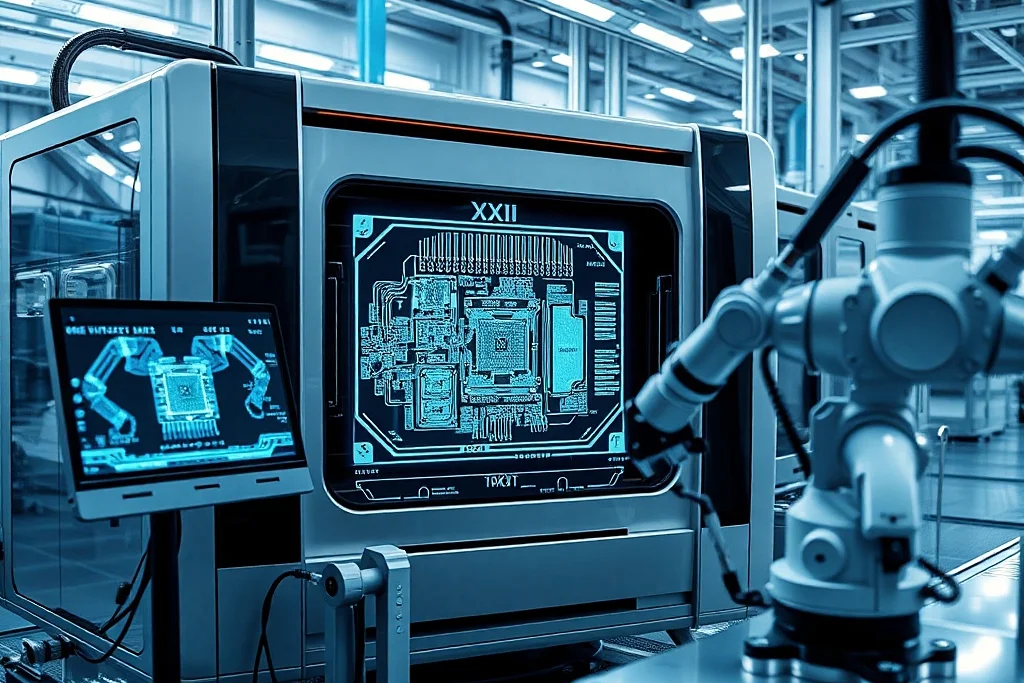
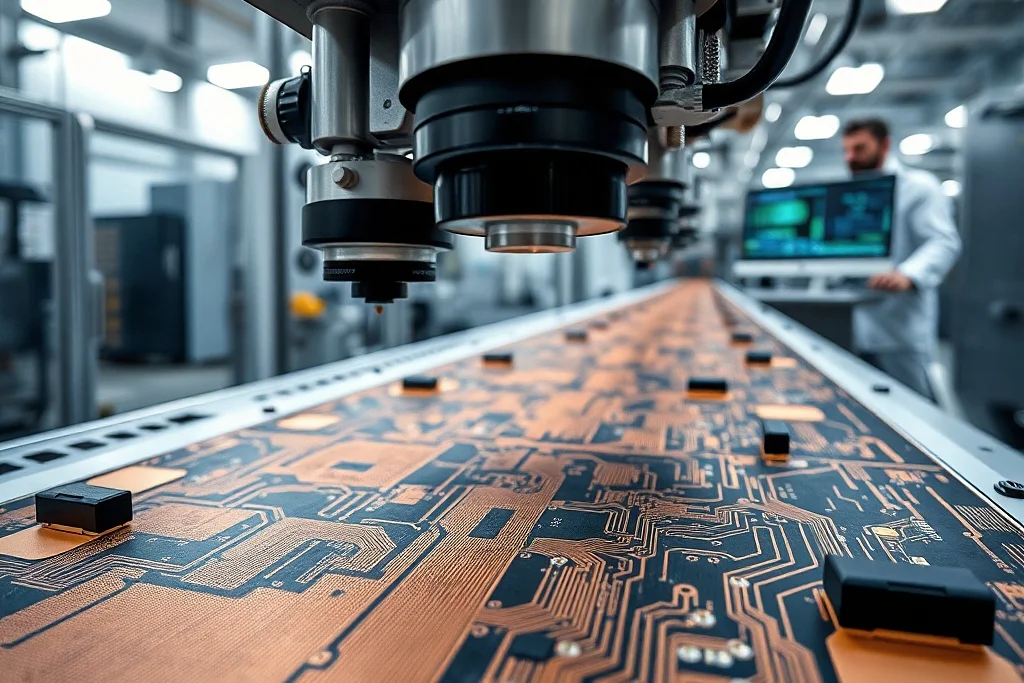
During the inspection process, high-resolution cameras capture images of the PCB and compare them against predefined standards or reference models. The system can identify differences and detect issues such as missing components, incorrect component placement, soldering defects, polarity errors, and other assembly problems.
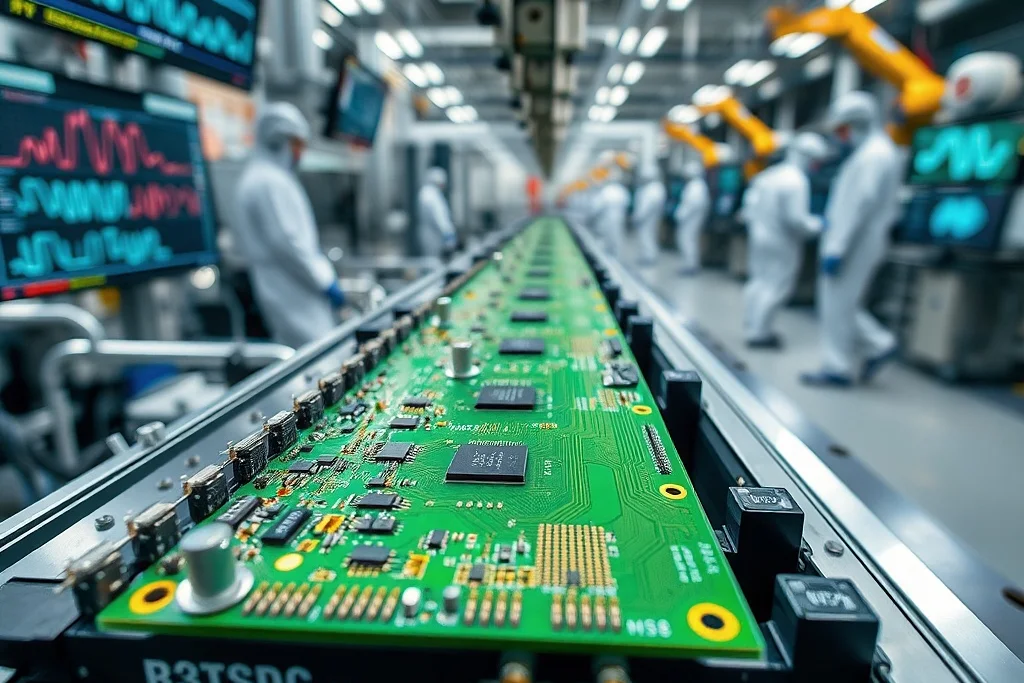
AOI technology is widely used in Surface Mount Technology (SMT) production lines, where precision and reliability are essential. As PCB designs become increasingly complex, automated inspection provides manufacturers with the ability to maintain quality while keeping production speeds high.
Why Is AOI Important in PCB Assembly?
PCB assembly involves many individual processes where even a small mistake can affect the functionality and reliability of the final product. A misplaced component, insufficient solder connection, or incorrect assembly can lead to product failures, additional repair costs, and delays in production.
AOI systems help prevent these problems by identifying defects early in the manufacturing process. Detecting issues immediately after assembly allows manufacturers to correct problems before they move further through production, reducing waste and improving overall efficiency.
For industries such as automotive electronics, medical technology, industrial equipment, and telecommunications, where product reliability is critical, AOI inspection is an important part of maintaining strict quality requirements.
Key Benefits of Automated Optical Inspection Systems
Improved Quality Control
One of the main advantages of AOI technology is improved quality control. Automated inspection systems can analyze PCB assemblies with a level of consistency that is difficult to achieve through manual inspection. Every board is inspected according to the same predefined criteria, reducing the risk of human error.
This consistent approach helps manufacturers achieve stable production quality and ensures that defective products are identified before reaching customers.
Early Detection of Manufacturing Defects
Finding defects as early as possible is essential for reducing production costs. AOI systems can detect problems immediately after PCB assembly, allowing operators to quickly identify the source of the issue and make necessary adjustments.
Early defect detection reduces the need for expensive rework, minimizes material waste, and prevents larger production problems from developing.
Higher Production Efficiency
Modern electronics manufacturers must balance high production speeds with strict quality requirements. Manual inspection can become a bottleneck, especially in large-scale production environments.
AOI systems provide fast and accurate inspection without slowing down the production line. They allow manufacturers to maintain high throughput while ensuring that every PCB assembly meets required standards.
Better Process Optimization
AOI systems do more than simply identify defects. The collected inspection data provides valuable insights into production performance and recurring issues. Manufacturers can use this information to optimize processes, improve machine settings, and reduce defect rates over time.
By analyzing inspection results, production teams can continuously improve their manufacturing processes and achieve higher levels of efficiency and reliability.
Common Defects Detected by AOI Systems
AOI technology can identify a wide range of PCB assembly defects, including:
- Missing or incorrectly placed components
- Incorrect component orientation or polarity
- Soldering defects and insufficient solder joints
- Solder bridges between components
- Incorrect component values or types
- Damaged or misaligned components
- PCB assembly inconsistencies
By detecting these issues automatically, AOI systems help manufacturers maintain reliable production quality and reduce the possibility of defective products reaching the market.
The Role of AOI in Smart Electronics Manufacturing
As the electronics industry moves toward Industry 4.0 and smart factory concepts, automated inspection systems are becoming even more important. Modern AOI solutions can be integrated with production management systems, enabling better data collection, traceability, and process control.
Connected inspection equipment allows manufacturers to monitor production performance in real time and make data-driven decisions. This creates a more efficient and flexible manufacturing environment capable of meeting the increasing demands of modern electronics production.
Choosing the Right AOI Solution for Your Production Needs
Selecting the right AOI system depends on several factors, including production volume, PCB complexity, required inspection accuracy, and integration with existing manufacturing equipment. A properly selected inspection solution can significantly improve production reliability and reduce operational costs.
Working with an experienced technology partner helps manufacturers identify the most suitable inspection solution for their specific requirements. Professional guidance, installation support, training, and ongoing technical assistance ensure that the equipment delivers maximum value throughout its operational life.
Conclusion
Automated Optical Inspection has become a fundamental technology in modern PCB assembly. By providing fast, accurate, and consistent quality control, AOI systems help manufacturers reduce defects, improve efficiency, and deliver more reliable electronic products.
As electronic devices continue to become more advanced and production requirements continue to increase, investing in reliable inspection technology is essential for manufacturers who want to remain competitive. AOI solutions provide the accuracy, speed, and process visibility needed to achieve high-quality electronics manufacturing in today’s demanding market.